
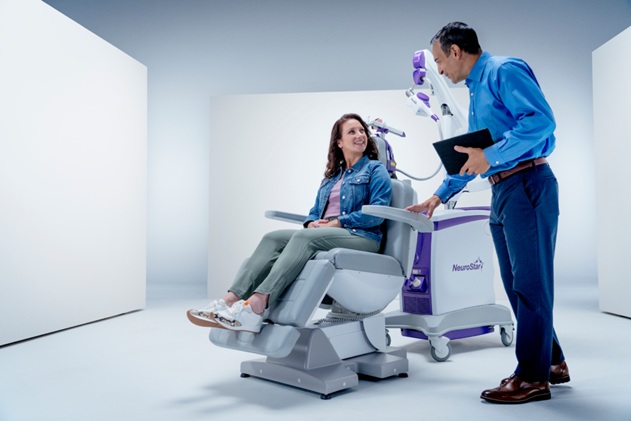
Going back to work after a depressive episode is rarely a single step. Concentration may still lag, energy runs out by early afternoon, and the confidence you once had in meetings can feel out of reach. Many people in this position have already tried medication, sometimes several, and found that the side effects made a return to the office harder rather than easier. Exploring TMS Therapy Weston FL gives you a non-invasive option that targets the brain circuits behind low mood and poor focus without adding another prescription to manage.
Weston Psychological Associates works with professionals at every stage of this transition, from those still on leave to those quietly struggling through a full schedule. Understanding how magnetic stimulation fits into a return-to-work plan helps you set realistic expectations and protect the progress you make.
Why Work Feels Harder After a Depressive Episode
Depression changes how the prefrontal cortex handles planning, attention, and decision making. Even after the worst of the sadness lifts, these executive functions can stay sluggish for weeks. You may notice that emails take twice as long to write, that small decisions feel heavy, or that you avoid tasks you once handled without thinking. This lag is not a character flaw. It reflects underactive neural circuits that have not yet returned to their normal rhythm.
Medication can stabilize mood, but it does not always restore the sharpness that demanding work requires. Some antidepressants add fatigue or mental fog of their own, which is a frustrating trade for anyone trying to rebuild a career. Colleagues rarely see the effort involved, and the gap between how you look and how you feel can become its own source of stress.
How TMS Supports Focus, Energy, and Stamina
Transcranial Magnetic Stimulation is an FDA-cleared outpatient treatment that delivers focused magnetic pulses to the left dorsolateral prefrontal cortex, the region most closely tied to mood regulation and executive function. Over a course of daily sessions, these pulses encourage underactive neurons to fire more consistently, restoring the communication patterns that support attention and motivation.
Because the treatment acts locally rather than throughout the body, there is no sedation and no recovery period, and clinical trials showed no adverse effects on memory or concentration. You can schedule a session of as little as 19 minutes before work, during a lunch break, or on the way home and return to your day immediately. For people balancing a job with treatment, that convenience is often the deciding factor.
Sharper Concentration: Patients frequently report that reading, writing, and problem solving feel less effortful by the third or fourth week.
Steadier Energy: The mid-afternoon crash that follows a depressive episode tends to ease as mood circuits stabilize.
Improved Follow-Through: Starting and finishing tasks becomes easier as motivation pathways reconnect.
No New Side Effects: Unlike an added medication, magnetic stimulation does not introduce weight gain, drowsiness, or sexual side effects.
Building a Return-to-Work Plan Around Treatment
The clinical team at Weston Psychological Associates begins with a thorough evaluation to confirm that magnetic stimulation suits your history and goals. From there, a treatment schedule is designed around your working hours rather than the other way round. Most people complete sessions five days a week for about six weeks, and many continue working throughout.
Pairing stimulation with brief, practical counseling adds structure to the comeback. A therapist can help you sequence your workload, set boundaries with colleagues during the first weeks back, and recognize early signs of overload before they turn into a setback. Combining both approaches gives you a biological reset and a behavioral toolkit at the same time.
It also helps to tell one trusted person at work what you are doing, even if you keep the details private. Having someone who understands why you leave at the same time each afternoon removes a layer of pressure and makes it easier to stay consistent with sessions.
Frequently Asked Questions About Returning to Work and TMS
Can I keep working while receiving TMS therapy?
Yes. Sessions take as little as 19 minutes and require no sedation, so most patients schedule them around their workday and go straight back to their responsibilities afterwards.
How soon will I notice a difference in focus and energy?
Responses vary, but many people describe clearer thinking and steadier energy between the third and fifth week of treatment. Improvements typically continue to build through the end of the course.
Does insurance cover TMS for people who are already back at work?
Coverage depends on clinical criteria rather than employment status. Most major insurers, along with Medicare, cover magnetic stimulation for treatment-resistant depression, and the team at Weston Psychological Associates can verify your benefits before you start.
To learn more or schedule a consultation, call Weston Psychological Associates at (954) 217-2444.